

Each March, families across Australia hear a lot about NAPLAN. The National Assessment Program Literacy and Numeracy (NAPLAN) assesses students in Years 3, 5, 7 and 9 in reading, writing, spelling, grammar and numeracy. But what does it really mean for your child in 2026?
First, NAPLAN serves an important purpose. It provides a consistent, nationwide snapshot of how students are progressing in foundational skills. For schools, it offers useful data to identify strengths, highlight areas for improvement and guide evidence-based teaching strategies. For families, it can be a helpful reference point in understanding how their child is tracking against national benchmarks.
In that sense, NAPLAN matters. However, it’s equally important to understand what NAPLAN is not.
NAPLAN is not a measure of your child’s intelligence, potential or overall ability. It does not assess creativity, critical thinking, collaboration, resilience or empathy.
“NAPLAN gives us useful data, but it’s only one part of a much bigger learning picture,” says Lisa Crampton, Head of Primary Learning at CSPD. “Parents should see it as a check-in point, along with other school-based assessments, rather than a judgement. What matters most is consistent growth over time and how well a school supports the whole child.”
So what can parents do?
Lisa’s advice is simple: keep it calm and keep it balanced.
“Encourage your child to do their best, make sure they’re well-rested, and remind them that one test doesn’t define them. Students experience explicit literacy and numeracy instruction every day in our classrooms within a multi-tiered system of support that ensures students receive any additional support they need quickly.”
At Catholic Schools Parramatta Diocese, we use NAPLAN as a tool to shed light on our progress in lifting each students’ literacy and numeracy skills.
In 2026, NAPLAN will continue to play a role in Australian education. But in the bigger picture, it remains just one chapter in a much larger story - your child’s lifelong journey of learning and growth.
At Catholic Schools Parramatta Diocese, we believe every child has the potential for greatness. Across our 80 primary and secondary schools in Western Sydney and the Blue Mountains, students are supported to thrive not only in academic achievement but in character, purpose and belonging.
Find a school and register for an Open Day near you
Catholic Schools Parramatta Diocese
www.parra.catholic.edu.au
-

09 Jun 2026
Helping Your Child Learn at Home - Practical strategies every parent can use
How can you help your child learn at home without stress, conflict, or overwhelm? Join CSPD’s Learning Outcomes team for a practical parent session focused on simple, realistic ways families can support learning at home, from primary through to secondary school.
-

29 May 2026
From Facebook
🌈🏃♂️ RAD Run Club is here at St Finbar’s! 🏃♀️🌈 To celebrate the launch of this exciting new initiative, students are invited to wear their brightest and most RAD sports clothes and join the fun before school! Students can run, skip, walk, jog or even dance their way around the course while earning points for their sport house. Our Year 6 leaders will be helping collect lap counts each session. 📅 Every Monday & Friday ⏰ 8:30am – 9:00am We can’t wait to see our students moving, having fun and supporting their wellbeing through active participation! 💙💛❤️💚
LATEST NEWS More news
29 May 2026
From Facebook
🌈🏃♂️ RAD Run Club is here at St Finbar’s! 🏃♀️🌈 To celebrate the launch of this exciting new initiative, students are invited to wear their brightest and most RAD sports clothes and join the fun before school! Students can run, skip, walk, jog or even dance their way around the course while earning points for their sport house. Our Year 6 leaders will be helping collect lap counts each session. 📅 Every Monday & Friday ⏰ 8:30am – 9:00am We can’t wait to see our students moving, having fun and supporting their wellbeing through active participation! 💙💛❤️💚
17 May 2026
From Facebook
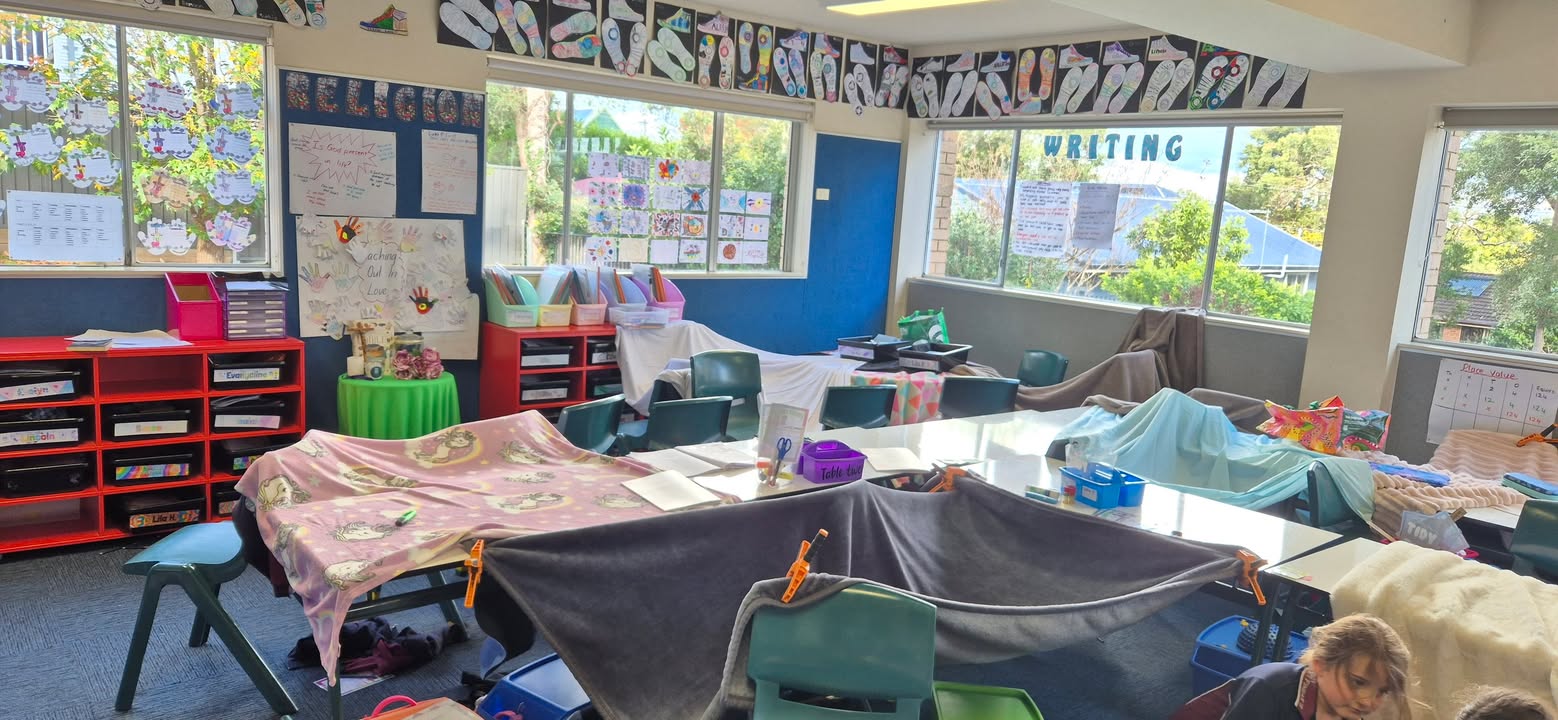
Year 3 enjoyed a well-earned Cubby Day as a reward for their commitment to living out our school charisms. We are so proud of the way they have shown kindness, respect, and compassion in their daily interactions. Keep shining, Year 3! 🌟
14 May 2026
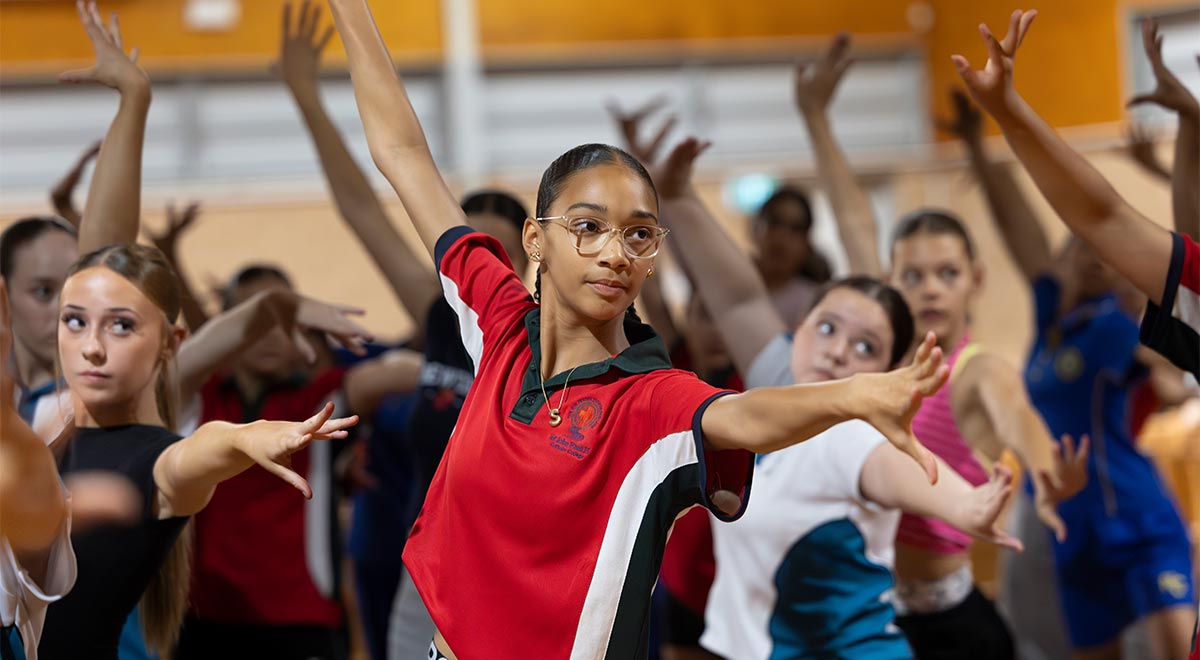
Music, art, movement: why creativity matters more than you think
Did you know creativity is one of the biggest predictors of how well children do in school and in life?
13 May 2026
From Facebook
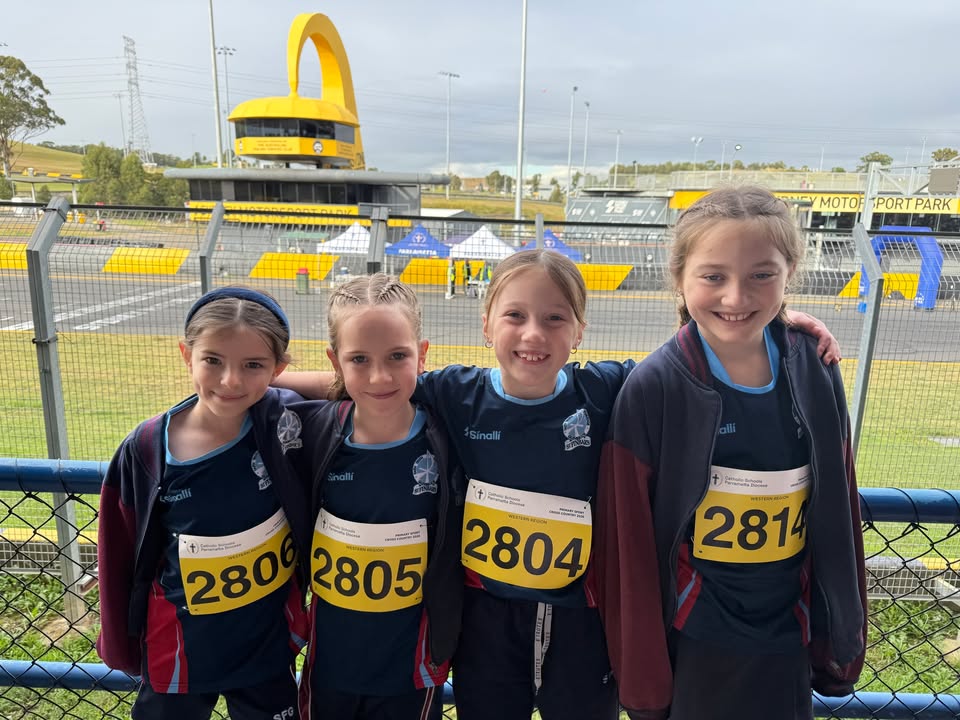
A huge congratulations to all of our runners who represented St Finbar’s at today’s Primary Sport Parramatta Diocese Cross Country Carnival. We are so proud of the determination, resilience, and effort shown by each student. It was wonderful to see our students displaying true sportsmanship, encouraging and cheering on their peers as they crossed the finish line. Well done to all involved!
19 Apr 2026
From Facebook
16 Apr 2026
From Facebook
06 Apr 2026
From Facebook
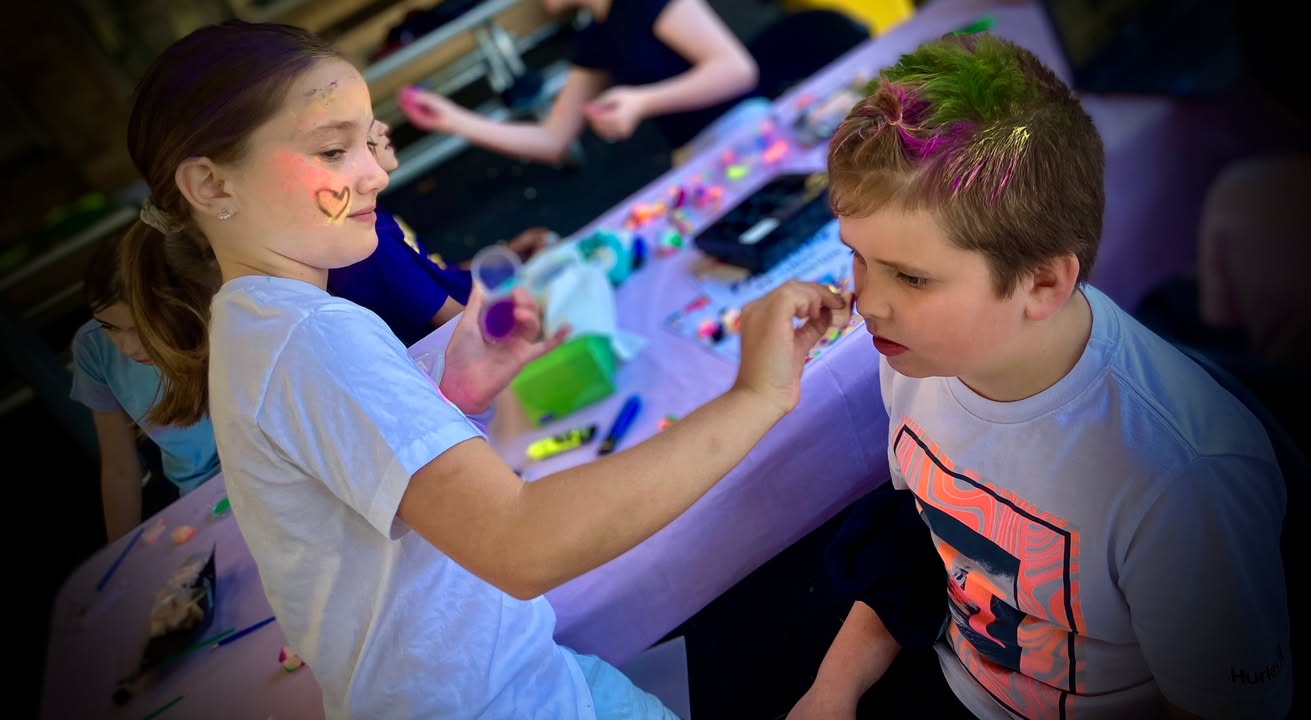
Last Thursday, our school proudly held our Caritas Markets, raising funds to support communities around the world in gaining access to clean water. This special event built on learning from earlier in the term, when students participated in the Water Walk; an experience that deepened their understanding of the challenges faced by many people globally. The markets provided a meaningful opportunity to turn that growing awareness into action. The markets featured a range of activities including face painting, cookie decorating, hair braiding, and various sporting activities. These were all thoughtfully organised and run by our Year 6 students, who demonstrated outstanding leadership, kindness, and a true sense of service to others. Their efforts reflected faith in action and a strong commitment to making a difference. We are incredibly proud of our Little Mountains community, who came together to raise over $1,000. This is a wonderful achievement and a testament to the generosity and spirit of our students and families. #faithinactioncspd
01 Apr 2026
From Facebook
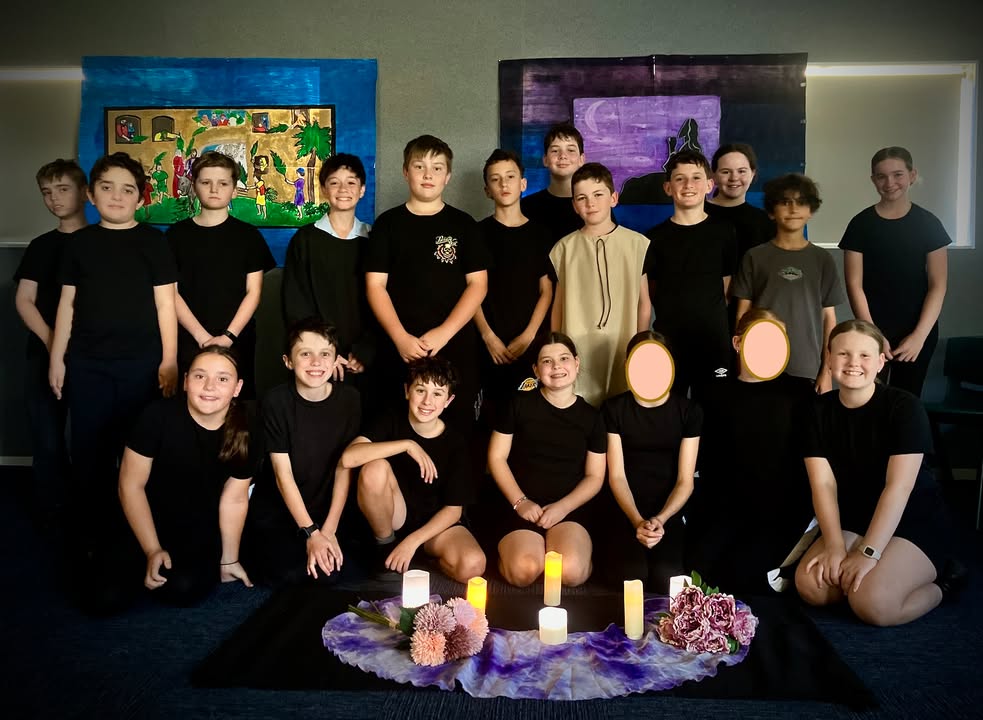
As we come to the end of the sacred time of Holy Week at school, we would like to extend our heartfelt thanks to our Year 6 students for the beautiful way they led our school community through our Holy Week reflections. Your maturity, reverence, and deep knowledge were evident in every moment. You guided our younger students with care and respect, helping them to better understand the significance of this sacred time and supporting them in their own faith journeys. We are incredibly proud of the leadership you have shown and the example you have set for our community. Thank you for walking with us so thoughtfully through Holy Week.
31 Mar 2026
From Facebook
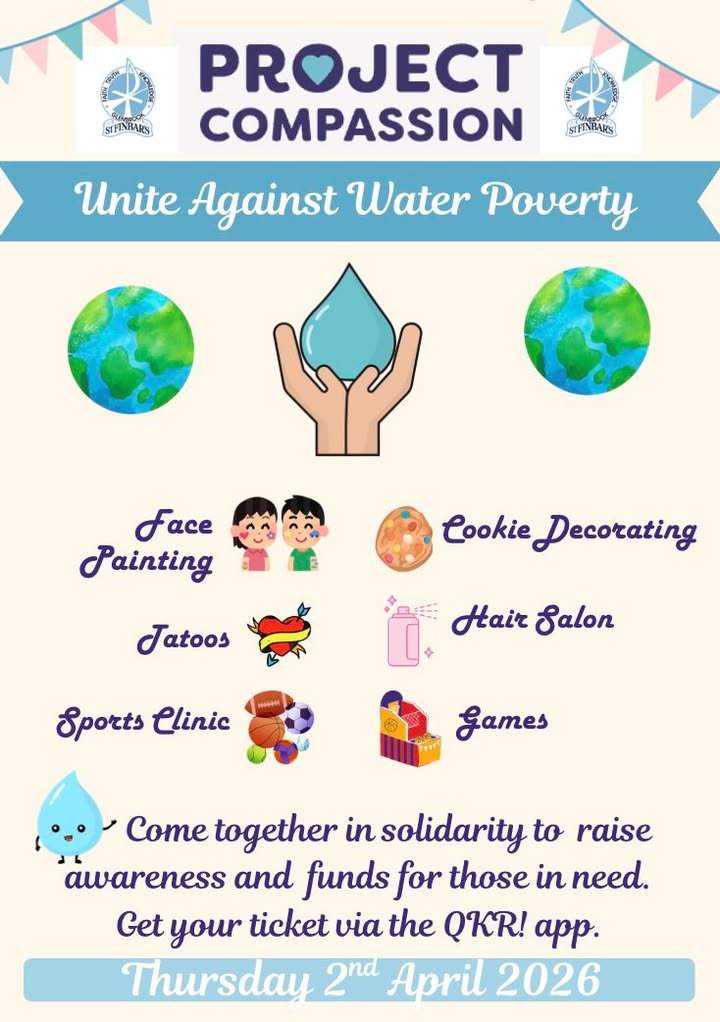
A friendly reminder to our families that our Project Compassion Market Day will be held this Thursday! If you haven't done so yet, please purchase your ticket via the QKR app. This special event is an opportunity for our students to put their faith into action as we raise money to support remote communities in gaining access to clean water. Through this initiative, we are living out the Catholic Social Teachings of Solidarity and Human Dignity, recognising our responsibility to care for others and ensure all people have access to the basic necessities of life. We look forward to a wonderful day of community, generosity, and compassion. Thank you for your ongoing support in helping our students make a meaningful difference.
31 Mar 2026
From Facebook
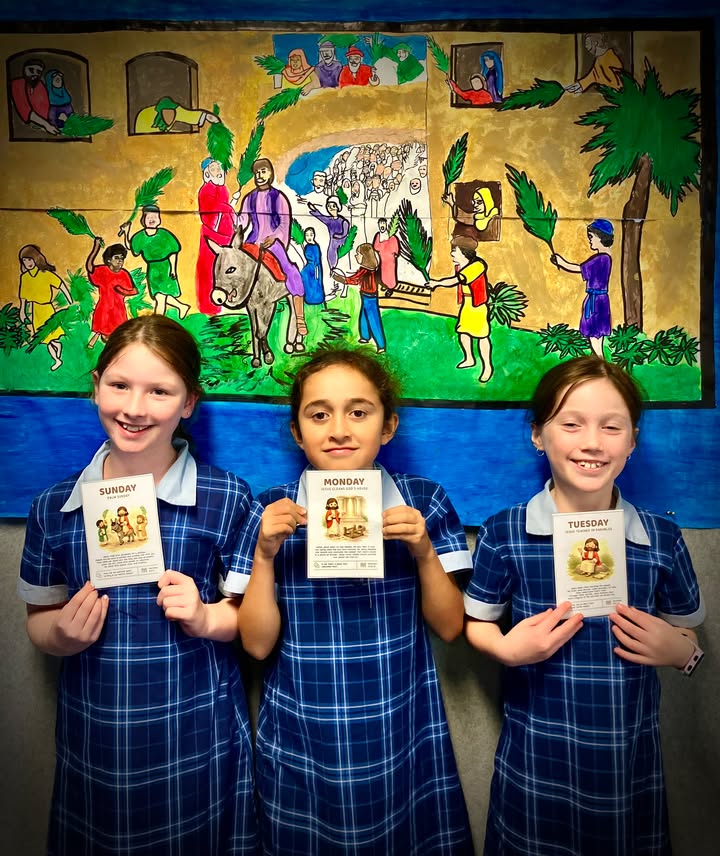
Last week, we began sending home Holy Week Prayer Kits with students. The kits have been thoughtfully designed to help children explore and deepen their understanding of the Easter story. Inside the bag, you will find picture prompt cards, suggested Scripture readings, and conversation starters to support meaningful reflection and discussion at home. Easter is the most sacred time in the liturgical calendar, and these kits provide a wonderful opportunity for students to engage with its significance, ask questions, and grow in both learning and faith alongside their families. As we begin this initiative, kits will be sent home with a small number of students and then be rotated across the class. This allows all students the opportunity to participate over time. We kindly ask families to return the kits promptly so others may also share in this experience. Thank you for your continued support in making this a rich and meaningful experience for our students.

30 Mar 2026
From Facebook
Dear School Community, This is a request to all families to take just 15 minutes to complete the ECSI Quickscan Survey. The ECSI Quickscan is a survey tool used to capture a snapshot of the attitudes, perceptions, and experiences of students, staff, families, and leaders regarding the Catholic identity of their school. We understand life is busy, but if you haven’t yet had a chance, please consider setting aside a short window of time today or tomorrow to support us. If it is more convenient for you to take the survey at school, you are welcome to come in anytime this week and will be provided with a computer and a quiet space. Thank you for supporting our school in this important way. St Finbar's Community